ADA-Compliant Vehicles: What They Mean for Your Safety and Comfort
ADA-compliant medical transport Miami: certified drivers, secure tie-downs & ramps. Trusted NEMT for Miami-Dade & Broward. Book your ride with ATC today.
When you or a loved one need dependable transportation to a dialysis appointment, a surgery follow-up, or a routine checkup, the vehicle that shows up matters as much as the driver behind the wheel. Families across Miami-Dade and Broward County searching for ADA compliant medical transport in Miami want more than a ride. They want a vehicle built for safety, dignity, and comfort from the moment it pulls up to the curb in Hialeah, Kendall, Fort Lauderdale, or anywhere in between.
Not every transportation option can say that. Rideshare apps were designed for convenience, not medical needs. A standard sedan has no ramp, no way to secure a wheelchair, and a driver with no training in patient handling. That gap is exactly why ADA compliant vehicles exist, and it's the standard ATC Medical Transport was built around for patients throughout South Florida.
What Makes a Vehicle ADA Compliant
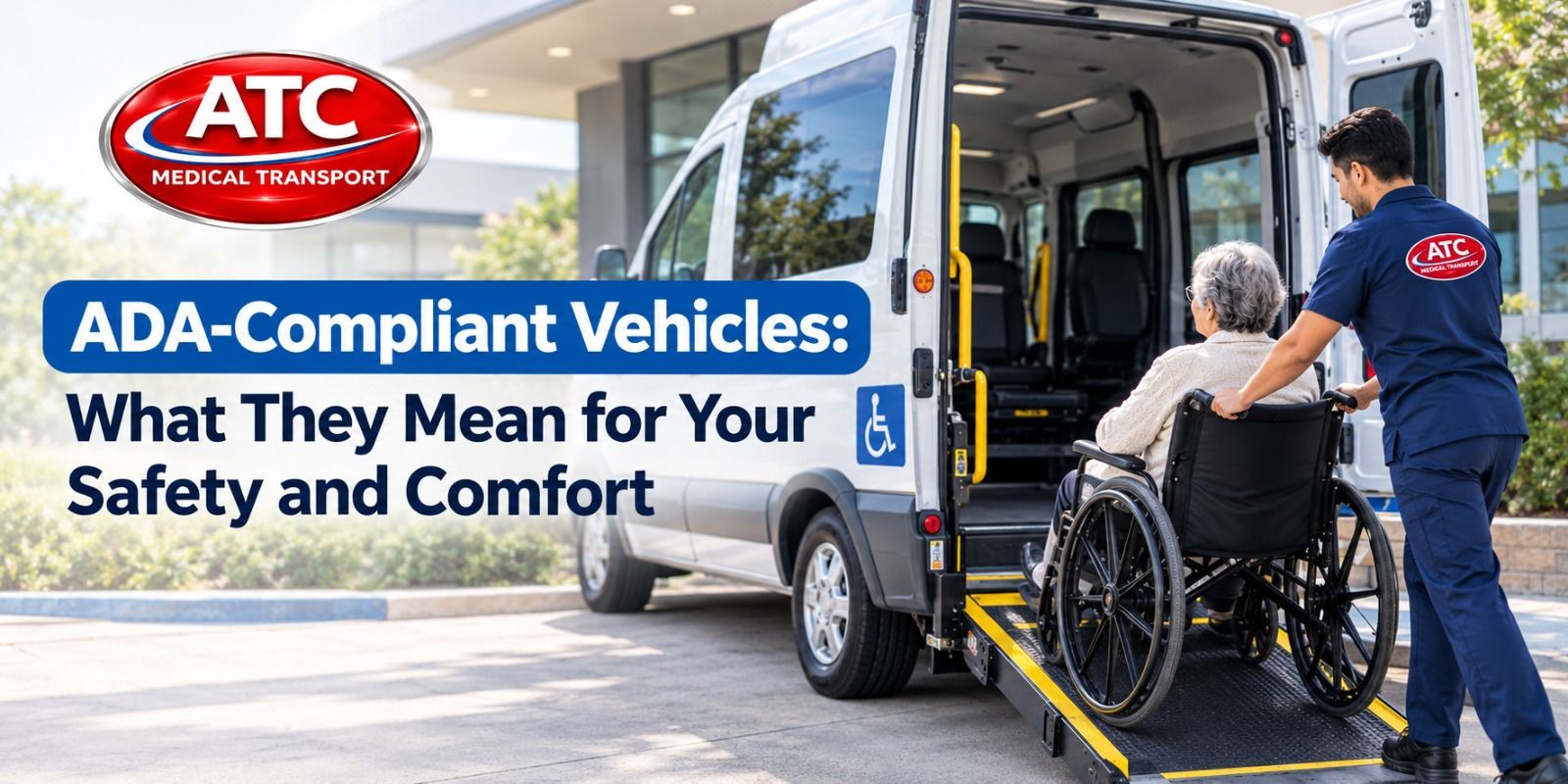
The Americans with Disabilities Act sets standards for accessible transportation, and a compliant medical transport vehicle is built around three core features: ramps or lifts, secure tie-down systems, and trained drivers. Each one plays a specific role in keeping passengers safe from pickup to drop-off.
Ramps Built for Real Mobility Needs
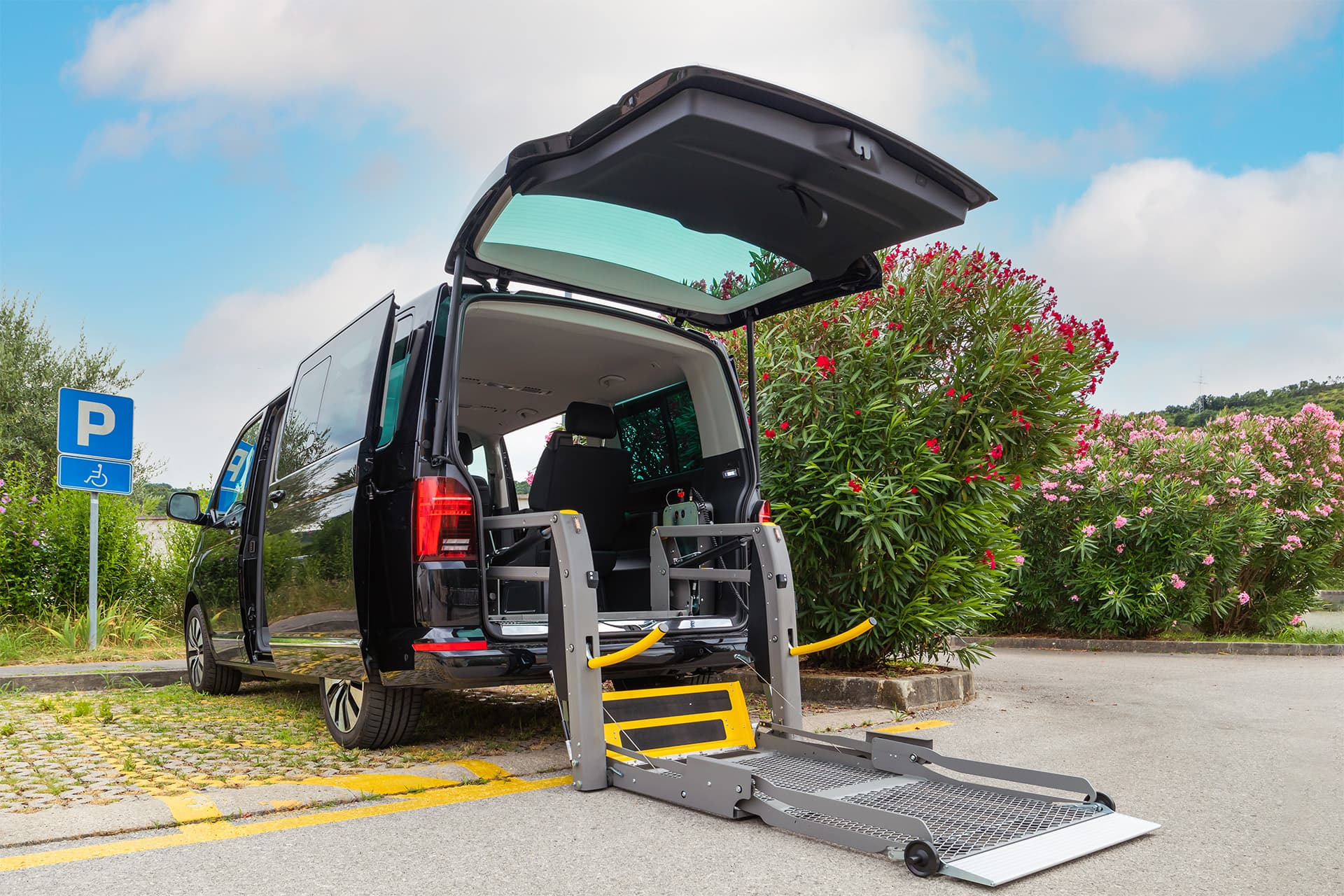
A compliant vehicle uses a hydraulic or manual ramp engineered to hold the weight of a wheelchair, scooter, or stretcher along with the passenger. The slope is shallow enough to board without strain, and the surface is slip-resistant even in Miami's afternoon rain. This is a meaningful difference from folding ramps sometimes used in non-medical vehicles, which can shift under weight or lack the incline control needed for a safe, steady roll-in. ATC Medical Transport equips its fleet with ramps built to this standard for every pickup across Miami-Dade and Broward County.
Tie-Downs That Actually Hold
Once a passenger is inside, the wheelchair or stretcher needs to stay exactly where it's secured, even through sudden stops or Miami traffic. ADA compliant vehicles use four-point tie-down systems rated to hold significant force, paired with a separate lap and shoulder belt for the passenger. This setup is inspected regularly and tested against federal crash-safety standards, so a sudden brake doesn't turn into a fall or a jolt that could dislodge medical equipment like an IV line or oxygen tank. Not sure which setup fits your situation? Our guide on wheelchair vs. stretcher transport breaks down the difference.
Drivers Who Are Trained, Not Just Licensed
A commercial driver's license gets someone behind the wheel. It doesn't teach someone how to transfer a patient from a wheelchair, how to respond if a passenger becomes disoriented, or how to secure a stretcher correctly. Drivers on ADA compliant medical transport are trained specifically in passenger assistance, defensive driving, and often basic first aid or CPR. ATC Medical Transport drivers complete background checks and ongoing certification renewals that rideshare drivers simply aren't required to pass, so patients from Coral Gables to Pembroke Pines get the same trained care on every ride.
Why This Matters More Than It Might Seem
For someone managing a chronic condition, a disability, or recovery from surgery, transportation isn't a small detail. A missed dialysis appointment because a ride couldn't accommodate a wheelchair has real health consequences. A fall during transport because a tie-down wasn't secured properly is a preventable injury. If you're weighing whether it's time to stop relying on a family member's car, our post on 12 signs your elderly parent needs non-emergency medical transport walks through the warning signs. Choosing a provider that meets ADA standards isn't about paperwork. It's about reducing risk for people who are already managing enough.
How This Differs From Rideshare Options
Rideshare services have their place, but they were never built for medical transport. Drivers aren't vetted for patient care, vehicles aren't equipped with ramps or tie-downs, and there's no accountability if something goes wrong during a transfer. ADA compliant medical transport fills that gap with vehicles and drivers held to a higher standard, along with the accountability of a licensed transportation provider rather than an app connecting strangers. Our post on 5 things to look for when choosing a medical transportation company covers this in more depth. That's the difference families notice when they switch to ATC Medical Transport for appointments in Miami, Hialeah, Doral, and throughout Broward County.
What to Ask Before You Book
Not every company that claims to offer accessible transport actually meets ADA standards. Before booking a ride in Miami-Dade or Broward County, it's worth asking a few direct questions:
- Is the ramp or lift rated for the passenger's mobility device and weight?
- Are tie-downs inspected on a regular schedule?
- Are drivers certified in passenger assistance and CPR?
- Is the vehicle insured specifically for medical transport?
A provider that can answer these clearly, without hesitation, is one worth trusting with a family member's safety.
Comfort Is Part of Compliance
Safety and comfort aren't separate goals. ADA compliant vehicles are designed with climate control, smooth suspension, and enough interior space to avoid the cramped, jostling ride that can make a medical trip harder than it needs to be. For passengers already dealing with pain, fatigue, or anxiety about an appointment, a well-designed vehicle makes the entire experience easier to manage.
Choosing Transportation You Can Rely On
Families across Miami-Dade and Broward County deserve a transportation option that treats medical rides as seriously as the appointments themselves. ADA compliant vehicles, secure tie-downs, and trained drivers aren't extras. They're the baseline for safe, dependable medical transport, and they're why so many patients in Miami, Fort Lauderdale, and the surrounding communities choose ATC Medical Transport over a rideshare app once they understand what's actually required to transport someone safely.